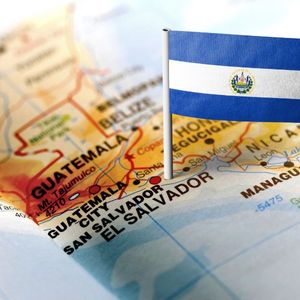
The El Salvador Bitcoin Office celebrated “Bitcoin Day” this Sunday, marking the fourth anniversary of the Bitcoin legal tender law taking effect in September 2021. In a post on X, the office noted key milestones achieved over the past years. The country’s Bitcoin strategic reserve now holds 6,313 BTC, valued at over $702 million at current prices. The post also noted the introduction of a new banking law allowing BTC investment banks to serve sophisticated investors, as well as the certification of 80,000 public servants in Bitcoin-related skills as of 2025. Several educational programs on Bitcoin and AI have also been launched to expand knowledge among the population. El Salvador Policy Shifts to Align with IMF Loan Conditions Despite being the first nation to adopt Bitcoin as legal tender and to build a strategic reserve, El Salvador has reversed many of its earlier policies in recent months. In January, the legislature repealed the Bitcoin legal tender law and agreed not to purchase additional Bitcoin using public funds as part of a $1.4 billion loan agreement with the IMF . Furthermore, the government has scaled back support for the Chivo Bitcoin wallet, which failed to see widespread adoption among citizens. The IMF’s July report revealed that El Salvador has not added any new Bitcoin to its reserves since signing the loan deal in December 2024. The report included a letter of intent signed by the central bank president and finance minister, confirming that the country’s BTC holdings remain unchanged. These developments sent shockwaves through the global crypto community and raised questions about the sustainability of Bitcoin integration at the national level. Divided Reactions and Calls for Broader Adoption The four-year Bitcoin experiment in El Salvador has produced mixed results, leaving Bitcoin advocates and local organizations divided on its success. While the government’s strategic reserve and educational initiatives reflect progress, critics argue that the benefits of Bitcoin have largely favored government entities and external investors, rather than everyday Salvadoran residents. Experts and NGOs have pointed out that adoption among the general population remains limited, with financial education and access gaps hindering broader use. Many believe that more grassroots initiatives are needed to unlock the potential of Bitcoin as a decentralized financial tool. Advocates stress that fostering trust among ordinary citizens is important for wider adoption, rather than relying on government-driven or corporate-led efforts. The post El Salvador Celebrates Bitcoin Day Amidst Policy Reversals and Mixed Outcomes appeared first on TheCoinrise.com .