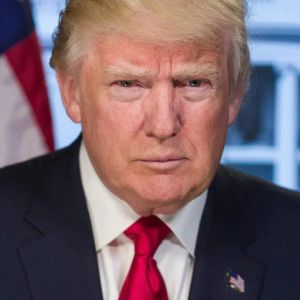
BitcoinWorld AI Executive Order Chaos: Trump’s ‘One Rulebook’ Promise Could Paralyze AI Startups President Trump’s new AI executive order promises to simplify artificial intelligence regulation with a single national framework, but legal experts warn it could plunge AI startups into regulatory chaos instead. As the administration targets state AI laws, young companies face the daunting prospect of navigating conflicting requirements while waiting for courts and Congress to determine the future of AI governance. What Does Trump’s AI Executive Order Actually Do? The executive order titled “Ensuring a National Policy Framework for Artificial Intelligence” represents the administration’s most aggressive move yet to assert federal control over AI regulation. Signed Thursday evening, the order directs multiple federal agencies to challenge what it calls “onerous” state AI laws that create a regulatory patchwork for businesses. Key provisions include: The Department of Justice must establish a task force within 30 days to challenge state AI laws on interstate commerce grounds The Commerce Department has 90 days to compile a list of state AI laws that could affect federal funding eligibility The FTC and FCC must explore federal standards that could preempt state rules The administration will work with Congress on developing uniform AI legislation “This David Sacks-led executive order is a gift for Silicon Valley oligarchs who are using their influence in Washington to shield themselves and their companies from accountability,” said Michael Kleinman, Head of U.S. Policy at the Future of Life Institute. The Legal Battle Over State AI Laws Legal experts predict immediate court challenges as states defend their consumer protection authority. Sean Fitzpatrick, CEO of LexisNexis North America, tells Bitcoin World that these cases will likely escalate to the Supreme Court, creating prolonged uncertainty for businesses operating across state lines. The central legal question revolves around whether AI constitutes interstate commerce that should be regulated exclusively at the federal level. This constitutional argument could take years to resolve through the court system, leaving startups in regulatory limbo. Potential Outcome Impact on Startups Timeline Courts uphold state authority Continue navigating patchwork of 50+ different regulations 1-3 years Courts side with federal preemption Wait for Congress to pass comprehensive federal law 2-5 years Congress passes compromise legislation Adapt to new national standards while states adjust 1-2 years Why Federal AI Policy Uncertainty Hurts Innovation Startup founders and AI entrepreneurs express deep concern about the regulatory uncertainty created by the executive order. Arul Nigam, co-founder at Circuit Breaker Labs, highlights the practical challenges: “There’s uncertainty in terms of do [AI companion and chatbot companies] have to self-regulate? Are there open-source standards they should adhere to? Should they continue building?” Hart Brown, principal author of Oklahoma Gov. Kevin Stitt’s Task Force on AI and Emerging Technology recommendations, explains the resource challenge: “Because startups are prioritizing innovation, they typically do not have robust regulatory governance programs until they reach a scale that requires a program. These programs can be expensive and time-consuming to meet a very dynamic regulatory environment.” The Disproportionate Impact on AI Startups Andrew Gamino-Cheong, CTO and co-founder of AI governance company Trustible, warns that the executive order will backfire on AI innovation: “Big Tech and the big AI startups have the funds to hire lawyers to help them figure out what to do, or they can simply hedge their bets. The uncertainty does hurt startups the most, especially those that can’t get billions of funding almost at will.” The regulatory ambiguity creates several specific challenges for emerging AI companies: Increased sales cycles as risk-sensitive customers hesitate Higher compliance costs for navigating multiple regulatory regimes Difficulty obtaining insurance and investment with unclear rules Competitive disadvantage against well-resourced larger companies Gary Kibel, a partner at Davis + Gilbert, notes that while businesses would welcome a single national standard, “an executive order is not necessarily the right vehicle to override laws that states have duly enacted.” The Path Forward for AI Regulation Morgan Reed, president of The App Association, urges Congress to act quickly: “We can’t have a patchwork of state AI laws, and a lengthy court fight over the constitutionality of an Executive Order isn’t any better. Congress needs to enact a comprehensive, targeted, and risk-based national AI framework.” The executive order comes amid stalled congressional efforts to establish federal AI standards. Lawmakers from both parties have expressed concern that blocking state regulation without federal standards could leave consumers unprotected and companies unaccountable. Nigam expresses cautious optimism about congressional action: “I am hopeful that Congress could move more quickly now to pass a better federal framework.” Frequently Asked Questions What is the main goal of Trump’s AI executive order? The order aims to establish federal supremacy in AI regulation by challenging state laws and pushing for a single national framework, arguing that the current patchwork of state regulations creates unnecessary burdens for businesses. Who is David Sacks and what is his role? David Sacks serves as Trump’s AI and crypto policy czar and has been a leading voice behind the administration’s AI preemption push. He is a venture capitalist and former PayPal executive. Which organizations are mentioned in the article? The article references several organizations including the Future of Life Institute , LexisNexis , Trustible , Davis + Gilbert , and The App Association . What immediate effects will startups experience? Startups will face continued uncertainty about which regulations apply, potentially higher compliance costs, and difficulty planning product development and market expansion while legal battles play out. How long might this regulatory uncertainty last? Legal experts predict 1-5 years of uncertainty as court cases progress and Congress potentially develops comprehensive legislation, depending on election outcomes and political will. Conclusion: A Regulatory Crossroads for AI Trump’s AI executive order represents a high-stakes gamble in the battle over artificial intelligence governance. While promising regulatory simplicity, it risks creating exactly the opposite—prolonged legal battles that leave startups navigating shifting requirements while well-resourced tech giants wait out the uncertainty. The coming months will reveal whether this move accelerates national AI policy or plunges the industry into deeper regulatory confusion just as artificial intelligence reaches critical adoption thresholds across sectors. The ultimate irony may be that an order intended to create certainty through federal AI policy instead creates the very regulatory limbo it sought to eliminate, potentially stifling the innovation it aimed to protect. To learn more about the latest developments in AI policy and regulation, explore our comprehensive coverage of the key trends shaping artificial intelligence governance and market adoption. This post AI Executive Order Chaos: Trump’s ‘One Rulebook’ Promise Could Paralyze AI Startups first appeared on BitcoinWorld .