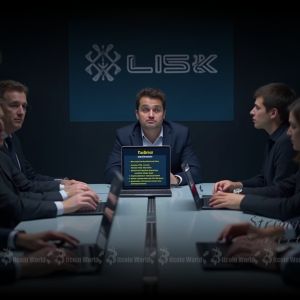
BitcoinWorld Lisk DAO’s Crucial LSK Token Burn Proposal Fails Amid Quorum Crisis In the dynamic world of decentralized autonomous organizations (DAOs), community decisions are paramount. Recently, the Lisk DAO faced a pivotal moment that sent ripples through its community: a proposal to execute a significant LSK token burn failed to pass. Despite overwhelming support, garnering an impressive 99.46% approval, the initiative stumbled not due to dissent, but due to a critical absence of participation – it simply did not reach the required DAO quorum . This event highlights the complex interplay between community sentiment and the practicalities of on-chain governance . What Happened with the Lisk DAO Proposal? The proposal, designed to burn 100 million LSK tokens from the Lisk DAO’s treasury, was a highly anticipated move. Its purpose was to address the increased token supply following the recent token migration to ERC-20, which saw 145 million new LSK tokens minted. The community largely agreed that reducing the supply could be beneficial for the token’s long-term value and scarcity. According to Tally, a leading on-chain governance platform, the vote itself was overwhelmingly positive. However, the mechanism of decentralized governance requires not just approval, but also sufficient engagement to validate decisions. In this case, that engagement, or quorum, was lacking. Understanding Quorum: Why Did the LSK Token Burn Fail? For those new to the intricacies of DAOs, the concept of a ‘quorum’ can be confusing. Simply put, quorum is the minimum number of participants or votes required for a meeting or decision to be considered valid. Think of it like a company board meeting: even if all present directors agree on a decision, it might not be legally binding if not enough directors showed up in the first place. For the Lisk DAO , despite the near-unanimous ‘yes’ votes, the total number of LSK tokens participating in the vote fell short of the predetermined threshold. This means that while sentiment was clear, the process itself couldn’t be completed. This scenario is a common challenge in on-chain governance , where voter apathy or lack of awareness can derail even popular initiatives. The ERC-20 Token Migration and Its Impact on LSK Supply The context for this proposed LSK token burn is crucial. Lisk recently completed a significant token migration , moving its native LSK tokens from its own blockchain to the Ethereum blockchain as ERC-20 tokens. This migration was a strategic move aimed at enhancing interoperability, liquidity, and integration within the broader DeFi ecosystem. However, during this process, an additional 145 million new LSK tokens were minted. While this was part of the technical process, it naturally led to an increase in the total circulating supply. The community’s proposal to burn 100 million LSK was a direct response to this, an attempt to manage the supply and potentially mitigate any perceived dilution, reinforcing the value proposition of the LSK token . Implications for the Lisk Community and Future Governance The failure of this critical proposal, despite its overwhelming support, poses several questions for the Lisk DAO and its community. What does this mean for the future of the LSK token ? Will another LSK token burn proposal be put forth? More importantly, how will the Lisk community address the underlying issue of voter participation and DAO quorum ? This event serves as a stark reminder that even in decentralized systems, active engagement is vital. It highlights the challenges of coordinating a large, distributed community and ensuring that enough members are motivated to participate in governance decisions. This setback might prompt the Lisk team and community to re-evaluate their governance mechanisms or launch new initiatives to encourage greater voter turnout. Challenges in On-Chain Governance: Lessons from Lisk The Lisk situation is not unique. Many DAOs grapple with similar challenges in on-chain governance . The promise of decentralized decision-making is powerful, but its execution can be complex. Key challenges include: Voter Apathy: Members may not always have the time, knowledge, or incentive to participate in every proposal. Quorum Requirements: Setting the right quorum threshold is a delicate balance. Too high, and proposals might frequently fail; too low, and decisions might not truly reflect broad community consensus. Complexity of Proposals: Technical or financial proposals can be difficult for the average token holder to understand, leading to less engagement. Gas Fees: In some ecosystems, the cost of voting (gas fees) can deter participation, especially for smaller token holders. The Lisk case provides a valuable example of how critical DAO quorum is, even when a proposal enjoys strong approval. It underscores the need for DAOs to continually refine their governance models to foster active and informed participation. What’s Next for Lisk and the LSK Token? While the immediate proposal failed, the strong approval rate for the LSK token burn indicates a clear community desire. It is highly probable that the Lisk team or community members will initiate a new proposal. This might involve: Revised Burn Proposal: A similar proposal with perhaps a different quorum threshold or duration. Community Engagement Initiatives: Campaigns to educate and encourage more token holders to participate in governance. Governance Model Review: A deeper look into the Lisk DAO’s governance framework to identify potential improvements for future voting. The resilience of the Lisk community and its commitment to managing the LSK token supply will be tested, but this event also presents an opportunity for growth and refinement of its decentralized governance processes. Conclusion: The Imperative of Participation in DAOs The recent failure of the Lisk DAO ‘s LSK token burn proposal serves as a powerful lesson in the evolving landscape of decentralized governance. While the community’s overwhelming support for the burn was evident, the inability to meet the necessary DAO quorum highlights a fundamental challenge that many DAOs face: translating sentiment into actionable, valid decisions. This incident underscores the critical importance of active community participation in on-chain governance . For DAOs to truly thrive and fulfill their potential, token holders must not only voice their opinions but also actively engage in the voting processes that shape their collective future. The Lisk community’s journey continues, and how it addresses this quorum challenge will be a significant indicator of its maturity and effectiveness in the decentralized space. To learn more about the latest Lisk DAO developments and LSK token trends, explore our article on key developments shaping on-chain governance and its future outlook. This post Lisk DAO’s Crucial LSK Token Burn Proposal Fails Amid Quorum Crisis first appeared on BitcoinWorld and is written by Editorial Team