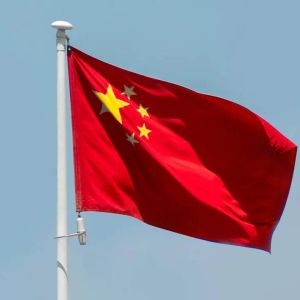
China’s Premier Li Qiang used Africa’s inaugural Group of 20 (G-20) summit to defend Beijing’s export restrictions while also offering developing nations a stake in the industry’s future. The weekend gathering in Johannesburg placed rare earths and strategic resources at center stage, as manufacturing powerhouses confronted supply bottlenecks and resource-rich countries demanded more than simply selling raw materials to the highest bidder. Li told delegates that Beijing must carefully regulate shipments of minerals with military applications, framing the controls as necessary security measures. Within hours, Chinese officials detailed plans for a mining partnership spanning 19 countries, in what experts see as an apparent response to the United States’ recent attempts at building parallel supply networks. The premier said China will “promote mutually beneficial cooperation and peaceful use of key minerals,” adding that they will also “safeguard the interests of developing countries while prudently addressing military and other uses.” European powers seek reassurance on supplies The G-20 criticized countries imposing restrictions on mineral exports, a veiled rebuke of Chinese policy that has disrupted manufacturing in Germany and Japan. These materials are essential for the production of everything from precision weaponry to consumer electronics, giving Beijing considerable leverage as trade tensions with Washington intensify. President Xi Jinping of China, as well as President Donald Trump of the US, did not attend the gathering, with both nations still finalizing negotiations on general licenses relating to rare earth minerals, having reached a trade truce last month. Industry data shows China has close to half of the world’s rare earth reserves and processes around 70% of these materials globally. European countries have felt the pinch from the licensing regime, prompting a diplomatic procession toward Beijing in the coming months from France, Germany, the UK, and Ireland, with rare earth minerals expected to be one of their top agenda items. Ireland’s leader Micheál Martin expressed optimism that the discussions would prevent future supply disruptions and ensure reliable access to essential materials. He said, “I would hope that because of these meetings and gatherings, we can avoid such situations happening in the future and have genuine access to rare earth minerals.” Italy’s Giorgia Meloni emphasized to Li during bilateral meetings the necessity of protecting supply chains for industrial production. Resource-rich nations push for value addition Brazil’s President Lula da Silva repeated a major talking point many developing countries have long been speaking about, which is that they will not accept relegation to mere providers of unprocessed minerals. The President said, “We won’t be just exporters but partners in the global value chain for critical minerals.” The summit declaration incorporated language calling for frameworks that transform mineral wealth into engines of prosperity and sustainable growth, acknowledging concerns from the Global South about the capture of downstream profits by wealthier nations. China’s green mining initiative involves Cambodia, Nigeria, Myanmar, Zimbabwe, and 15 other countries working alongside the UN Industrial Development Organisation. However, Chinese officials provided minimal operational details and disclosed no funding commitments. South Africa’s deputy foreign minister, Thandi Moraka, also called for African states to prioritize developing technical expertise and processing capabilities. “Many developing mineral-rich countries, especially in our continent of Africa, have not fully benefited due to underinvestment,” she said at a briefing alongside a Chinese official. Get $50 free to trade crypto when you sign up to Bybit now
 JPMorgan Chase CEO warns of AI job losses