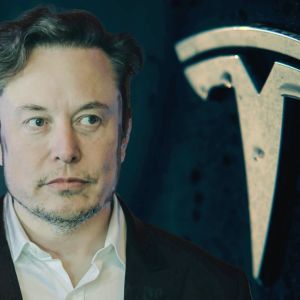
Tesla continues to face scrutiny across America, Europe, and China over its electric door systems that can fail after crashes, block rescues, or trap people inside vehicles. The designs trace back to decisions made in 2016, when Elon pushed Tesla to remove traditional handles and rely on powered controls across its lineup. Those choices happened while Tesla rushed to finish the Model 3, the sedan meant to pull the company out of a niche market and into mass production, according to Bloomberg. Design and engineering teams met repeatedly in Palo Alto and Hawthorne as pressure mounted to lock down final features. Doors became a serious debate, especially as Tesla was already dealing with complaints tied to faulty sensors on the Model X SUV. Elon’s personally electric door decisions for Tesla are colliding with real-world crashes Engineers warned about safety risks tied to electric doors and argued mechanical handles would still be needed, but Tesla CEO Elon Musk allegedly rejected that view. Tesla moved forward without explicit regulatory barriers, giving the company wide freedom to redefine door hardware. At the time, Elon frequently stepped into both large and small decisions, often staying overnight at factories, and that hands-on style decided how far the door design went. Years later, and Tesla doors still depend on low-voltage batteries that can stop working during collisions. When power drops, doors may not open unless occupants find hidden manual releases. In many cases, failures blocked emergency crews and delayed rescues. Bloomberg allegedly reviewed of police, fire, and autopsy records and identified 15 deaths across 12 U.S. crashes in the past decade where door access played a role after Teslas caught fire. These incidents also led to hundreds of complaints filed with the National Highway Traffic Safety Administration, which is now investigating the issue. China is weighing limits on flush handles, while European regulators say electric doors are now a rulemaking priority. Tesla board chair Robyn Denholm has vowed more than once that the company takes safety incidents seriously, while design chief Franz von Holzhausen promised in 2023 that he is working on door handles that combine electric and manual releases to help people exit during panic situations. Cost savings and minimalism were what drove Tesla’s original design Internal discussions for electric doors focused on cutting parts and lowering costs so the Model 3 could sell for roughly half the price of earlier Teslas. Designers also liked placing door buttons where a driver’s hand naturally rests. After locking in electric doors, Tesla added manual releases as backups. Early Model 3 cars only had them in front seats because U.S. rules did not require rear releases. Later versions added second-row releases. Tesla planned for delivery staff to explain these features, though how often that happened remains unclear. Senior vice president Lars Moravy said , “We always say at Tesla, if you aren’t deleting so much that you have to put something back, you haven’t deleted enough. Well, maybe we deleted too much.” Tesla now says door issues affect the entire EV industry, and is testing auto-unlock features when battery power drops and says doors will unlock automatically during serious crashes, though availability depends on model and build date. Tesla is working with Chinese regulators and expects time to adapt if laws change. Questions over door systems popped back up before the Model Y launch in 2020, which kept electric controls, but Elon has said very little about the matter since a 2013 earnings call, when he said door sensors sometimes failed and admitted that:- “Obviously, it’s quite vexing for a customer.” Don’t just read crypto news. Understand it. Subscribe to our newsletter. It's free .